
The work is done. The project passed inspection. The contractor collected final payment and moved on to the next job. Then, eight months later, the roof leaks. The paving cracks. The HVAC system fails. And the project owner comes looking — not for an apology, but for the bond. A warranty bond is what makes that conversation possible without litigation. It is the financial guarantee that a contractor’s work will hold up after the ribbon is cut, and that if it doesn’t, there is a clear, funded path to getting it fixed. This guide covers everything: what warranty bonds are, when they are actually required, what they cost, what happens when a claim is filed, and the legal nuances that most contractors never read until it is too late.
What Is a Warranty Bond?
A warranty bond — also called a maintenance bond — is a type of contract surety bond that guarantees the quality of a contractor’s completed work for a defined period after project completion. If defects in workmanship or materials appear during that warranty period and the contractor fails to correct them, the project owner can file a claim and receive compensation from the surety.
Like all surety bonds, it is a three-party agreement:
| Party | Who They Are | Their Role |
|---|---|---|
| Principal | The contractor | Guarantees quality of completed work during the warranty period |
| Obligee | The project owner, government agency, or developer | Protected financially if defects go unaddressed |
| Surety | The bond-issuing insurance company | Pays valid claims; recovers all costs from the contractor afterward |
The critical point contractors miss: this is not insurance for the contractor. When the surety pays a claim, they pursue the contractor personally for full repayment, including the claim amount, investigation costs, legal fees, and interest, under a General Indemnity Agreement (GIA) signed at the time the bond was issued.
Warranty Bond vs. Maintenance Bond: Are They the Same?
In practice, the two terms are used interchangeably across the construction industry and the surety market. Both describe the same instrument: a post-completion bond covering defects in workmanship and materials. The only distinction sometimes made is that a warranty bond may be limited to specific systems or components, while a maintenance bond covers general post-completion upkeep. For surety and bonding purposes, they are the same product.
When Is a Warranty Bond Actually Required?
This is where most articles stop short of giving a genuinely useful answer. Here is the full picture:
Warranty bonds are almost always required on public construction projects at the federal, state, and local government level. Many private project owners on large commercial and institutional developments also require them as a contract condition. Municipalities routinely require warranty bonds to guarantee that public improvements built within new residential subdivisions and developments — roads, sidewalks, utilities, stormwater systems — are constructed to code and remain defect-free for a specified period after completion.
The less-known but important scenario: when a contractor furnishes a performance bond with the standard one-year correction period already built in, a standalone warranty bond is generally not needed for that same one-year period. The performance bond already covers correction obligations for one year after Substantial Completion. The EJCDC C-612 — the standard warranty bond form published by the Engineers Joint Contract Documents Committee — is specifically designed for situations where the project owner requires a correction period longer than one year. If an owner requires two, three, or five years of post-completion coverage, the performance bond alone no longer covers it, and a standalone warranty bond becomes necessary.
How Much Is the Warranty Bond for? The Amount Question
The bond amount is set by the obligee, not chosen by the contractor. Unlike performance bonds — which are typically written for 100% of the contract value — warranty bonds are usually issued in a lesser amount, because the exposure is limited to post-completion defect repair rather than the full cost of completing the entire project. Real contract language shows bond amounts across a wide range: 5% to 25% of the original contract value is typical, though some contracts set the amount at 10% of the contract sum for a 12-month period from Substantial Completion, and others require 20%–25% for extended warranty periods or specialized systems.
How Long Does the Warranty Period Last?
The warranty period is set by the contract, subject to any minimum standards required by state law or local ordinance. Typical terms by project category:
| Project / System Type | Typical Warranty Period |
|---|---|
| Standard commercial construction | 1 year (most common) |
| Public works infrastructure | 12–24 months |
| Roads, paving, and bridges | 2–5 years |
| Roofing systems and waterproofing | 2–5 years |
| Specialized mechanical / HVAC systems | 2–5 years |
| High-performance pavements and coatings | 5–10 years |
The warranty period begins at Substantial Completion — not final payment, not certificate of occupancy — unless the contract specifies otherwise.
What Does a Warranty Bond Cover? And What It Does Not
A warranty bond covers defects in workmanship and materials as defined by the contract specifications. The surety pays valid claims after investigating and confirming the defect is the contractor’s responsibility.
What warranty bonds do not cover is equally important: they do not cover defects that arise from the architect’s or engineer’s original design. If the contractor followed every plan and specification exactly and a defect results from a flaw in the design documents, that is the design professional’s liability — not the contractor’s — and a warranty bond claim for that defect will not succeed. Contractors should document compliance with contract documents carefully throughout the project precisely because this distinction matters when a claim arrives.
Warranty bonds also do not cover normal wear and tear, damage caused by misuse or inadequate maintenance by the project owner, or events clearly outside the scope of the contractor’s work.
What Happens When a Claim Is Filed
Understanding the claim process protects both project owners and contractors. Here is how it works:
- The project owner formally notifies the contractor in writing of the defect and provides a reasonable opportunity to make repairs. All communications — emails, certified letters, written notices — should be documented carefully.
- If the contractor fails to respond or refuses to act, the project owner contacts the surety and files a written claim with supporting documentation: the original contract and bond form, photos and inspection reports showing the defect, communication records with the contractor, and cost estimates for repair.
- The surety investigates. This is not a formality. The surety verifies that the defect is the contractor’s fault, that it falls within the warranty period and within the scope of covered work, and that the project owner has met their own contractual obligations. Claims arising from design defects, owner neglect, or events outside the contractor’s scope will be denied.
- If the claim is valid, the surety’s response may be to require the contractor to complete the repair, to hire a replacement contractor to perform the work, or to compensate the project owner financially for the repair cost up to the bond amount.
- The surety then pursues the contractor for full reimbursement under the GIA.
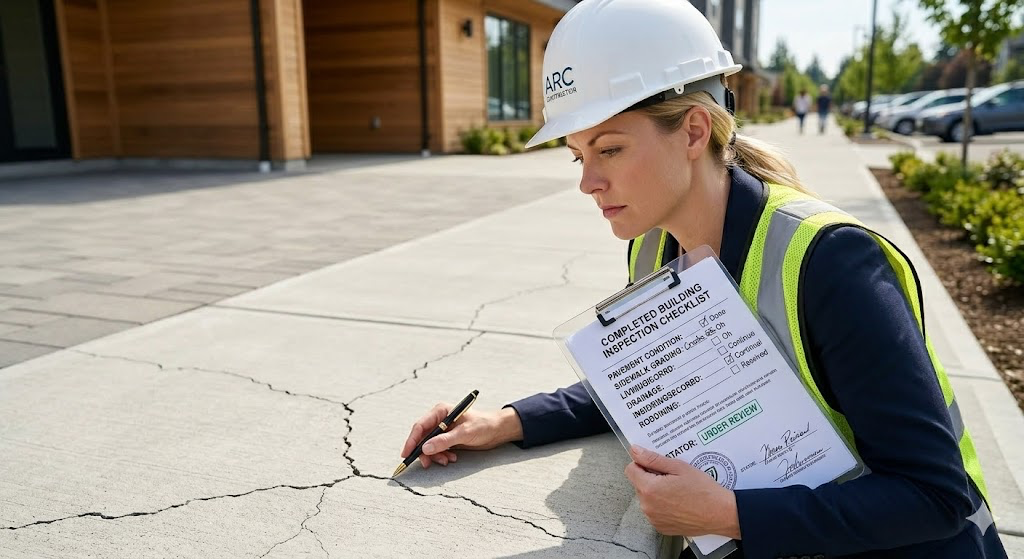
Common situations that trigger warranty bond claims include: a newly installed roof that leaks within the warranty period, improperly paved surfaces that crack or settle prematurely, structural or mechanical elements that fail to meet contract standards, HVAC or electrical systems that malfunction due to improper installation, and contractor insolvency or abandonment of post-completion obligations.
What It Costs: Warranty Bond Pricing by Credit Profile
Warranty bond premiums are lower than performance bond premiums because the exposure is limited to post-completion defects rather than the full construction risk. Premium rates are calculated as a percentage of the bond amount.
| Credit Profile | Typical Premium Rate | Example: $50,000 Bond |
|---|---|---|
| Excellent (720+) | 1% – 3% | $500 – $1,500 |
| Average (650–719) | 3% – 5% | $1,500 – $2,500 |
| Below average (below 650) | 5% – 10%+ | $2,500 – $5,000+ |
Beyond credit score, the surety also considers the bond amount, the length of the warranty period (a longer term means more risk and slightly higher premiums), the type and complexity of the work, the contractor’s experience, and their claims history. A contractor with a strong track record and no prior warranty claims consistently receives better pricing than an equally creditworthy contractor with a history of post-completion disputes.
Warranty bond premiums, like all surety bond premiums paid in the ordinary course of business, are deductible as ordinary business expenses under IRS rules — a meaningful offset to bonding program costs that most contractors never claim.
When applying, contractors should be prepared to pledge personal assets as collateral under the GIA, particularly for larger warranty programs or if the business is new or has limited financial history. The indemnity obligation can extend to personal property in the event of business insolvency.
How to Get a Warranty Bond
The process follows four clear steps. First, confirm with the project owner or contracting agency the required bond amount, warranty period, and the bond form to be used — these are specified in the contract documents. Second, apply with a surety provider by submitting your business financial statements, credit authorization, project contract, and relevant work history. Third, receive your quote, pay the premium, and sign the General Indemnity Agreement. Fourth, receive the issued bond and file it with the project owner or contracting agency before the required deadline — typically at final completion or upon release of the performance bond. Swiftbonds makes the warranty bond process straightforward, with experienced agents who understand the nuances of post-completion bonding, fast quotes for standard programs, and support for contractors navigating extended warranty periods or SBA-backed bond needs.
Swiftbonds LLC
Voted 2025 Surety Bond Agency of the Year
4901 W. 136th Street
Leawood KS 66224
(913) 214-8344
https://swiftbonds.com/
Subcontractors and Warranty Bonds
General contractors can require their subcontractors — particularly mechanical, electrical, plumbing, and roofing subs — to post their own warranty bonds covering their specific scope of work for the applicable warranty period. This passes the post-completion liability down the contract chain to the party actually responsible for a given system. If a roofing subcontractor fails to respond to a leaking roof claim, the GC has a bonded remedy rather than absorbing the repair cost out of pocket while chasing the sub.
Frequently Asked Questions
Is a warranty bond the same thing as a maintenance bond?
In the US surety market, the terms are used interchangeably. Both describe a post-completion bond guaranteeing the contractor will repair defects in workmanship or materials during the specified warranty period. Some contract documents use one term, some use the other, and some use both together (“warranty and maintenance bond”). The product is the same.
Do I need a warranty bond if I already have a performance bond?
Not necessarily — it depends on the length of the correction period required by the contract. Most performance bonds include a standard one-year correction period after Substantial Completion. If the contract only requires a one-year warranty, the performance bond already covers it. A standalone warranty bond becomes necessary when the project owner requires a correction period longer than one year, or when the bond form specifically calls for a separate warranty instrument.
How is the warranty bond amount determined?
The obligee — the project owner or contracting agency — sets the bond amount in the contract. Typical amounts range from 5% to 25% of the original contract value, depending on the project type, the length of the warranty period, and the owner’s risk tolerance. The bond amount is almost always less than the performance bond amount because it covers a narrower scope of post-completion defect risk.
Can a warranty bond claim be denied?
Yes. The surety investigates all claims before paying. Common grounds for denial include: the defect arose from a design flaw rather than the contractor’s workmanship; the damage resulted from normal wear and tear or owner misuse; the claim was filed outside the warranty period; the contractor was not actually in default; or the project owner failed to provide timely notice and a reasonable opportunity to repair. A denied claim can be challenged, typically through litigation or arbitration under the bond form’s dispute resolution terms.
Can I get a warranty bond with bad credit?
Yes, though the premium will be higher. Many surety providers offer programs for contractors with below-average credit, typically at 5%–10% of the bond amount rather than the standard 1%–3%. Contractors who cannot qualify through standard channels may also be eligible for support through the SBA Surety Bond Guarantee Program, under which the SBA guarantees up to 90% of the surety’s liability on contracts up to $9 million (non-federal) or $14 million (federal). The SBA classifies warranty and maintenance bonds as “ancillary bonds” and includes them in its guarantee program.
Who pays when a warranty bond claim is settled?
The surety pays the obligee for valid claims. The contractor then reimburses the surety in full — including the claim amount, interest, legal costs, and investigation expenses — under the General Indemnity Agreement. This is the fundamental distinction between a surety bond and insurance: the contractor is not protected from the financial consequences of a claim, only the project owner is.
Does a warranty bond cover the entire project or just part of it?
The warranty bond covers the scope defined in the contract and the bond form. A general warranty bond covers workmanship and materials across the entire project. Some contracts require component-specific bonds covering only identified systems — roofing, HVAC, paving — for the warranty periods applicable to those components. Reviewing the specific bond form and contract requirements before applying is essential to ensure the right coverage is in place.
Conclusion
A warranty bond is the final chapter in the story a contractor tells about the quality of their work — and it carries real financial weight. Understanding when one is truly required (especially the distinction between the performance bond’s built-in correction period and an extended standalone warranty bond), what it costs, what claims look like in practice, and what defenses exist turns a routine bonding requirement into an informed business decision. Whether you are a general contractor managing a public works project, a developer building out a new subdivision, or a subcontractor who just finished a specialized installation, the warranty bond is the commitment that everything you built is going to stay built.
5 Things About Warranty Bonds Almost Nobody Talks About
These facts appear on none of the top ten sites currently ranking for “warranty bond” — but every contractor, developer, and project owner who works with them regularly should know them:
- The warranty period clock does not always start when you think it does. Most contracts state that the warranty period begins at Substantial Completion — not at final payment, not at certificate of occupancy, and not when the punch list is cleared. If a contractor completes substantial work and the project owner delays issuing the Substantial Completion certificate for contractual or administrative reasons, the warranty clock may start later than expected. Some contracts further divide the warranty start date by system, meaning the roofing warranty, HVAC warranty, and general construction warranty can all begin on different dates. Contractors who don’t track these dates carefully may find themselves facing claims they believe are outside the warranty period that the owner argues are still live.
- Warranty bonds can be a substitute for retained funds. On some projects, especially in international construction and larger domestic commercial contracts, project owners allow contractors to post a warranty bond in place of holding a retention (a percentage of each payment withheld until the end of the warranty period). A warranty bond releases those retained funds back to the contractor immediately while still giving the owner security for post-completion defects. This function — as a cashflow tool as much as a risk management instrument — is standard practice in European construction markets and increasingly used on large US commercial projects, but almost never discussed in US surety education content.
- The surety’s investigation can take longer than the repair would have. Surety companies are contractually required to investigate claims before paying them, and that investigation can take weeks to months on disputed or complex defects. This means project owners who file a warranty bond claim expecting immediate action may find the process slower than hiring a repair contractor directly and pursuing reimbursement afterward. Some sophisticated project owners factor this timeline into their claim strategy, using the bond as a financial backstop rather than an operational remedy.
- Warranty bonds on subdivision infrastructure are a separate and distinct category. When a developer builds a new residential subdivision, the municipality almost always requires a warranty bond (sometimes called a maintenance bond) on the public infrastructure — streets, sidewalks, curbs, storm drainage, utility connections — to ensure that work holds up for one to two years after the city accepts the improvements. These bonds run from developer to city and are separate from any warranty bonds that may exist between the developer and the construction contractor. It is possible for both to be required on the same project simultaneously, covering different parties and different scopes of work.
- Claims on warranty bonds can affect a contractor’s bonding capacity. A paid warranty bond claim goes on the contractor’s surety record. Sureties share loss information through industry databases, and a contractor with a history of warranty claims — particularly if those claims involved indemnity recovery — will face higher premiums, reduced bonding capacity, and in some cases difficulty obtaining bonding at all until the record is addressed. This is why proactive warranty management — responding quickly to repair requests, documenting completed corrections, and maintaining clear post-completion communication with project owners — is not just good customer service but a direct financial interest.
Leave a Reply